
Understanding Your Roof Leakage Problem
Roof leakage repairing is one of the most urgent home maintenance issues you’ll face as a property owner. Here’s what you need to know right away:
Quick Solutions for Roof Leakage:
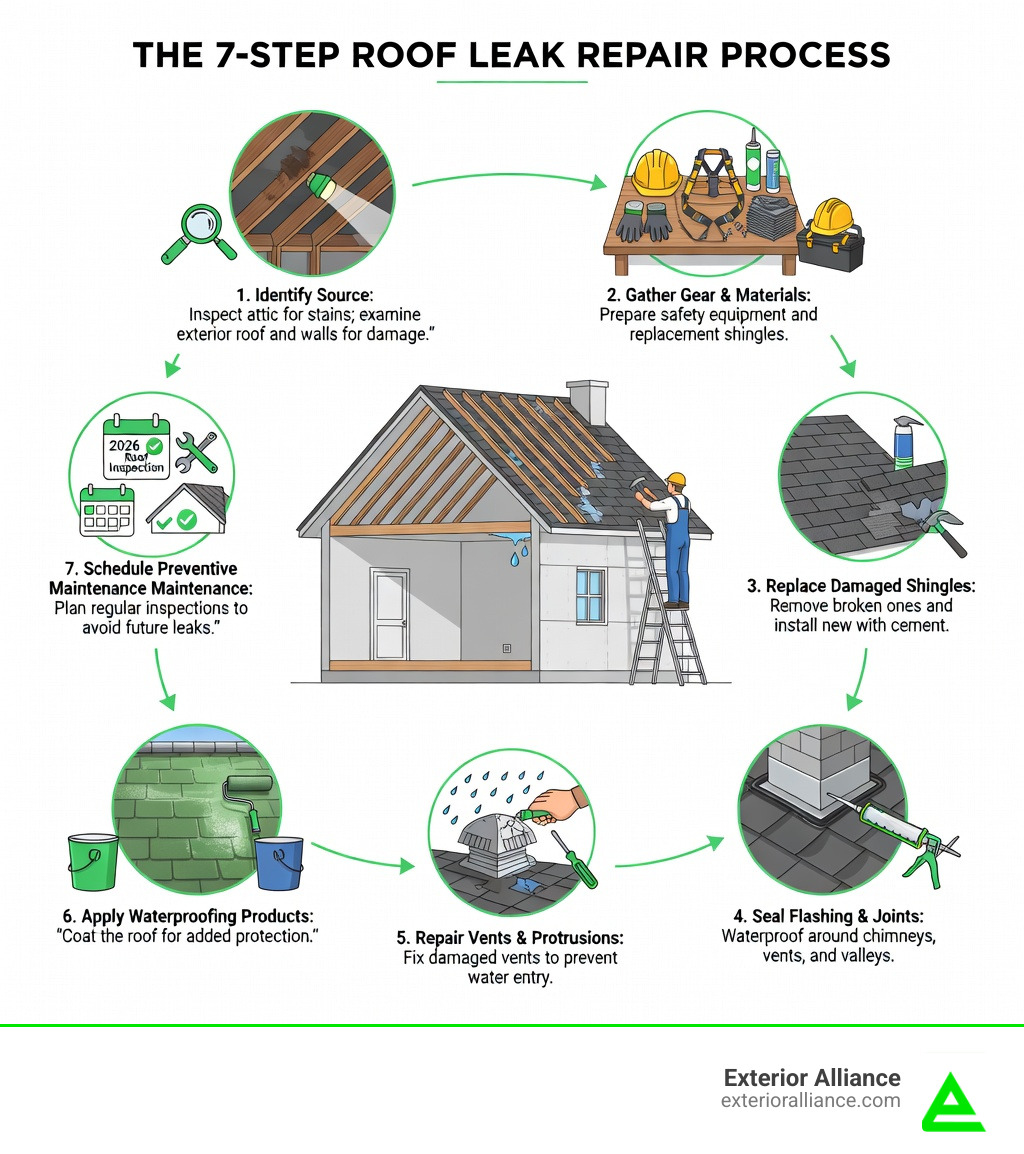
- Identify the source – Check your attic for water trails, stains, and damp spots
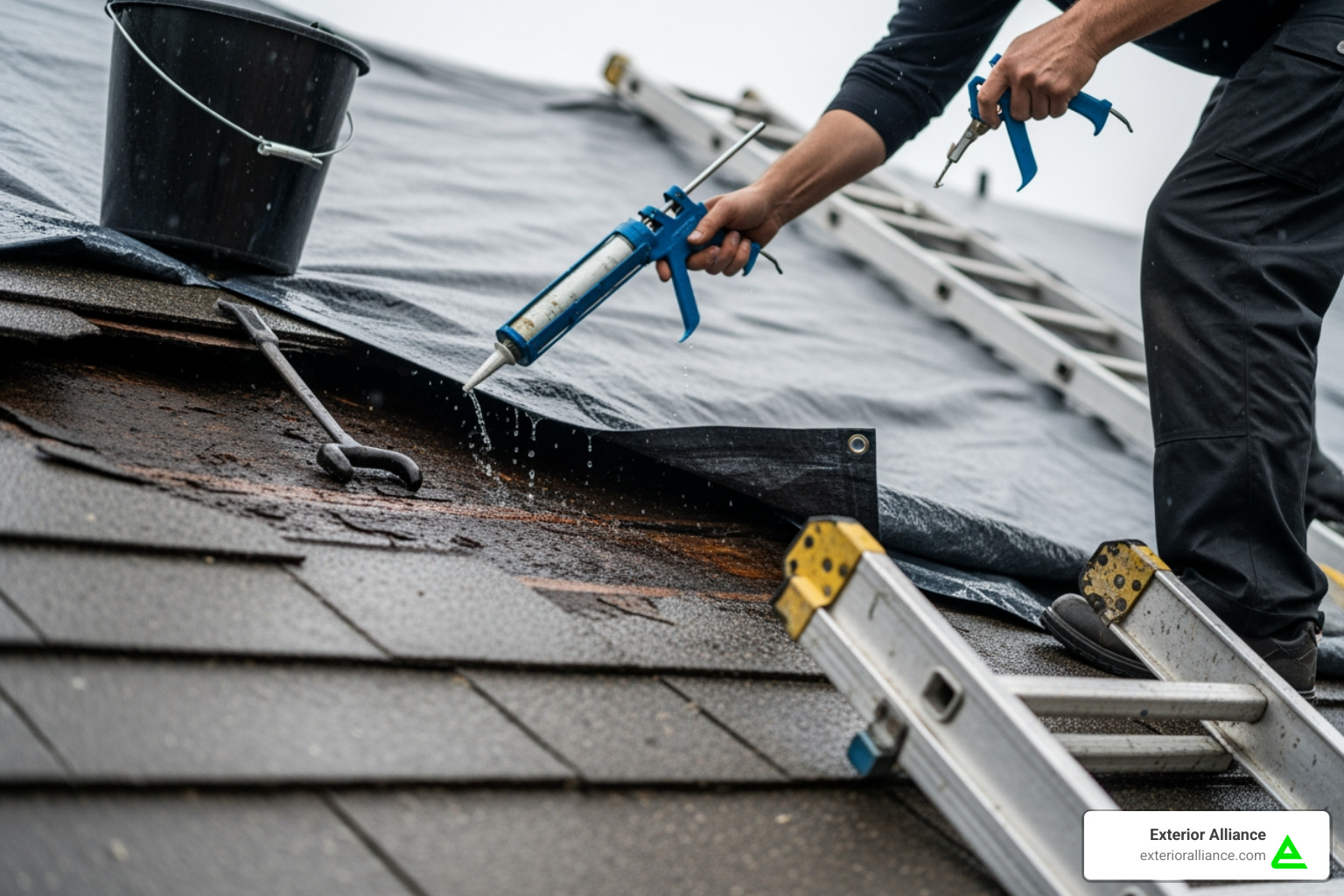
- Apply temporary fixes – Use tarps, roofing tape, or sealant to stop active leaks
- Replace damaged shingles – Remove broken or missing shingles and install new ones with roofing cement
- Seal flashing and joints – Apply waterproof sealant around chimneys, vents, and valleys
- Patch cracks – Use roofing cement or patching compound for small cracks
- Fix ventilation issues – Repair damaged roof vents that allow water entry
- Call professionals for major damage – Contact experts for structural issues, multiple leaks, or insurance claims
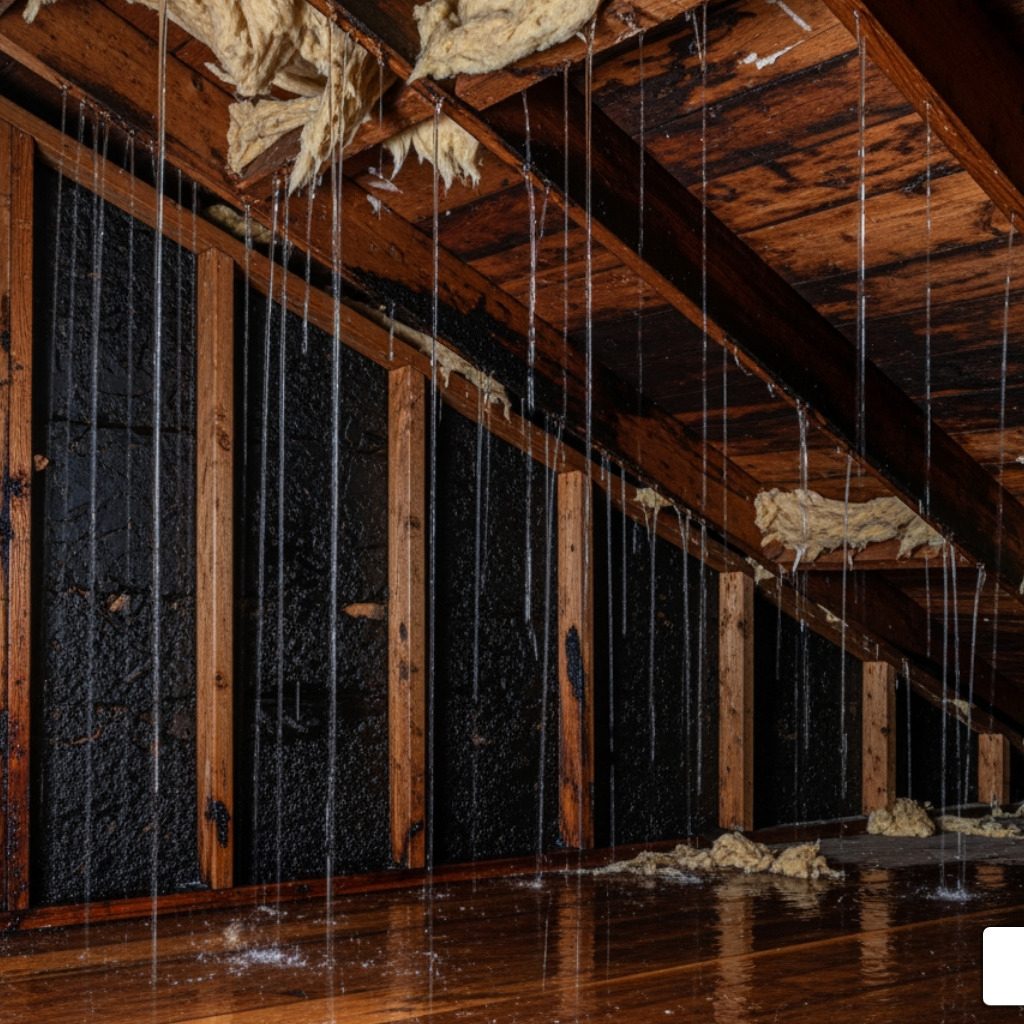
A leaking roof isn’t just an inconvenience. Research shows that 60-70% of roof leakage problems stem from incorrect installation or application, and the damage can escalate quickly. Water intrusion leads to wood rot, mold growth, damaged insulation, and weakened structural framing. What starts as a small drip can become a costly disaster if left unaddressed.
The good news? Many roof leaks can be diagnosed and repaired with the right knowledge and approach. Some fixes are simple enough for confident DIYers, while others require professional expertise—especially when dealing with storm damage or insurance claims.
Understanding when to tackle repairs yourself versus calling in experts can save you thousands of dollars and prevent further damage to your Central Ohio home. The average professional roof repair costs around $750 nationally, while a simple inspection runs about $200. But catching problems early through regular maintenance can help you avoid much larger expenses down the road.
I’m Daniel Blanton, founder of Exterior Alliance, and I’ve spent years helping Central Ohio homeowners solve complex roof leakage repairing challenges, from minor shingle repairs to complete storm damage restoration. My team and I work with property owners throughout Dublin and Columbus to provide honest assessments and high-quality repairs that protect your home for the long term.
Identifying the Source of Your Roof Leakage Repairing Needs
Finding the exact spot where water is entering your home is often the hardest part of roof leakage repairing. Water is sneaky; it rarely travels in a straight line. Gravity pulls it down, but it often hits a rafter or a piece of plywood sheathing and travels several feet horizontally before finally dripping onto your ceiling.
Common Causes and Interior Signs
Before you climb a ladder, look for the “calling cards” of a leaky roof inside your home. Common interior signs include:
- Water Stains: Discolored, yellowish, or brown “puddles” on the ceiling or running down walls.
- Damp Smells: A persistent musty odor often indicates mold growth in the attic or wall cavities.
- Sagging Drywall: If your ceiling looks like it’s bulging, water is likely pooling on the other side.
- Peeling Paint: Moisture behind the drywall causes paint to lose its bond and bubble or flake.
The culprits are often external. Shingle damage from Ohio storms, flashing failure around chimneys, or ice dams during our cold winters are leading causes. To narrow down the search, we recommend following these tips to find a roof leak which suggest starting in the attic during a rainstorm with a flashlight. Look for moisture trails or “shiners”—nails that missed the rafter and appear white or frosted in cold weather because they collect condensation. For a deeper dive into what to look for, check out our Roof Repair Guide 2024.
The Garden Hose Diagnostic Method
If a visual inspection doesn’t reveal the source, it’s time for the garden hose test. This requires two people: one on the roof with a hose and one in the attic with a flashlight.
- Start Low: Begin spraying the roof just above where the leak appears inside.
- Be Patient: Soak each area for several minutes before moving up.
- Communicate: The person in the attic should yell or use a phone to signal as soon as a drip appears.
- Isolate Protrusions: Spray around chimneys, vents, and skylights separately to see if the seals have failed.
Ladder safety is paramount here. Ensure your ladder is stabilized and have a helper hold the base. If you’re tackling this yourself, our guide on emergency roof leak DIY can help you navigate the process safely.
Essential Tools and Safety for DIY Roof Repairs
Working on a roof is inherently dangerous. In places like Columbus and Dublin, where roofs can be steep and weather unpredictable, you must prioritize safety over speed.
Personal Fall Arrest Systems (PFAS)
According to OSHA guidelines and safety protocols, any work on a roof should involve a Personal Fall Arrest System (PFAS) if you are at risk of falling. This includes:
- A Full-Body Harness: Properly fitted to distribute the force of a fall.
- Anchor Points: Securely fastened to the roof structure.
- Soft-Soled Boots: These provide the best grip on shingles and prevent damage to the roofing material.
Never work on a roof that is wet, icy, or during high winds. Even a small gust can catch a shingle or a tarp and pull you off balance. For a comprehensive look at fall protection, refer to this guide provided by Princeton University.
Essential Materials for Every Repair
Before you start your roof leakage repairing project, gather these essential tools and materials:
- Caulking Gun and Silicone Caulk: For sealing small gaps around vents and joints.
- Roofing Cement (Mastic): A thick, waterproof adhesive for patching and securing shingles.
- Pry Bar: Essential for removing old nails and damaged shingles.
- Hammer and Galvanized Roofing Nails: To secure new materials without risking rust.
- Replacement Shingles: Ensure they match your existing roof’s color and style.
- Utility Knife: For trimming shingles or underlayment.
Working on a roof is inherently dangerous. In places like Columbus and Dublin, where roofs can be steep and weather unpredictable, you must prioritize safety over speed.
Personal Fall Arrest Systems (PFAS)
According to OSHA guidelines and safety protocols, any work on a roof should involve a Personal Fall Arrest System (PFAS) if you are at risk of falling. This includes:
- A Full-Body Harness: Properly fitted to distribute the force of a fall.
- Anchor Points: Securely fastened to the roof structure.
- Soft-Soled Boots: These provide the best grip on shingles and prevent damage to the roofing material.
Never work on a roof that is wet, icy, or during high winds. Even a small gust can catch a shingle or a tarp and pull you off balance. For a comprehensive look at fall protection, refer to this guide provided by Princeton University.
Essential Materials for Every Repair
Before you start your roof leakage repairing project, gather these essential tools and materials:
- Caulking Gun and Silicone Caulk: For sealing small gaps around vents and joints.
- Roofing Cement (Mastic): A thick, waterproof adhesive for patching and securing shingles.
- Pry Bar: Essential for removing old nails and damaged shingles.
- Hammer and Galvanized Roofing Nails: To secure new materials without risking rust.
- Replacement Shingles: Ensure they match your existing roof’s color and style.
- Utility Knife: For trimming shingles or underlayment.
7 Practical Ways to Fix Common Roof Leaks
When you need to stop water from destroying your home, these seven methods cover the most frequent issues we see in Central Ohio. Whether you are looking for DIY solutions or need an emergency roof leak repair, these steps will guide you.
1. Replacing Damaged or Missing Asphalt Shingles
Asphalt shingles are the most common roofing material in our area. They are durable, but high winds can tear them, and hail can bruise them.
- Removal: Use a pry bar to lift the shingles above the damaged one. Carefully remove the nails from the damaged shingle.
- Inspection: Check the underlayment (the black paper) for tears. If it’s damaged, apply a small patch of new underlayment or roofing cement.
- Installation: Slide the new shingle into place. Nail it down using galvanized nails, ensuring you don’t nail through the “self-sealing” strip.
- Finishing: Apply a small dab of roofing cement to the underside of the shingle tabs to help them bond.
2. Sealing Leaky Flashing and Joints
Flashing is the metal material used to direct water away from critical areas like chimneys, dormers, and roof valleys. Over time, the sealant around flashing can crack or the metal can pull away.
- Inspect: Look for rusted metal or gaps where the flashing meets the brick or siding.
- Repair: For small gaps, use a high-quality roofing mastic or silicone caulk.
- Replacement: If the flashing is severely corroded, it needs to be replaced. This involves tucking new metal under the shingles and sealing it against the vertical surface with a “counter-flashing” technique.
3. Repairing Vents, Chimneys, and Skylights
Anything that pokes through your roof is a potential leak point.
- Roof Vents: Check the plastic housings for cracks. If the rubber “boot” around a pipe vent is rotted, you can often buy a replacement collar that slides over the old one.
- Skylights: These are notorious for leaks. Often, the leak isn’t the glass itself but the flashing around the frame.
- Chimneys: Ensure the mortar between the bricks is solid and the “cap” on top isn’t cracked.
4. Fixing Concrete and Tile Roof Cracks
Tile and concrete roofs are beautiful but fragile. A fallen branch can easily crack a tile.
- Cleaning: Remove any moss or debris from the area.
- Patching: For small cracks, apply a specialized tile patching compound.
- Replacement: If a tile is shattered, lift the overlapping tiles, remove the broken pieces, and slide a new tile into the lugs.
5. Addressing Metal Roof Corrosion and Seams
Metal roofs are popular for their longevity, but they expand and contract with Ohio’s temperature swings.
- Tighten Fasteners: Screws with rubber washers can back out over time. Tighten them or replace them with slightly larger “oversized” screws if the hole has stripped.
- Seal Seams: Use a liquid-applied membrane or specialized metal roof sealant along the seams where panels overlap.
6. Patching Flat Roof Membranes and EPDM
Flat roofs, often found on garages or commercial buildings in Columbus, require different techniques.
- EPDM Repair: For rubber roofs, use a primer and a self-adhesive EPDM patch. Our guide on EPDM roof repair provides more detail on this specialized process.
- Bubble Repair: If you see a “blister,” carefully cut it open, allow it to dry, apply roofing cement inside, and weight it down until it seals.
7. Emergency Tarping for Storm Damage
If a tree limb has punctured your roof or a large section of shingles is gone, you need immediate protection.
- The Tarp Method: Use a heavy-duty plastic tarp that is larger than the damaged area.
- Secure the Edges: Wrap the ends of the tarp around 2×4 boards and nail the boards to the roof (avoiding the tarp itself to prevent tearing).
- Direct Water: Ensure the top edge of the tarp goes over the peak of the roof or is tucked under a higher row of shingles so water can’t run underneath it.
Preventing Future Leaks and Extending Roof Lifespan
The best way to handle roof leakage repairing is to prevent the leak from happening in the first place. Statistics show that the average roof lasts 15-30 years, while the building lasts much longer. This means maintenance is a certainty, not an option.
Professional Solutions for Roof Leakage Repairing
For long-term peace of mind, consider professional-grade waterproofing. Products like liquid-applied membranes provide a seamless, UV-resistant barrier that is especially effective on flat roofs or complex architectural details. These systems are “crack-bridging,” meaning they can flex with your home as it settles. If you are a homeowner looking for permanent fixes, our residential roof repair services offer the latest in moisture control technology.
Long-Term Maintenance Schedules
We recommend a “seasonal” approach to roof health:
- Spring/Fall Gutter Cleaning: Clogged gutters cause water to back up under your shingles, leading to rot.
- Tree Trimming: Keep branches at least 10 feet away from your roof to prevent debris buildup and physical damage.
- Annual Inspections: A professional eye can spot a “popped” nail or a thinning shingle long before it starts dripping on your couch.
| Service | Estimated Cost | Potential Savings |
| Professional Inspection | $200 | Prevents $1,000+ in water damage |
| Gutter Cleaning | $150 | Prevents foundation & roof rot |
| Minor Shingle Repair | $150 – $400 | Extends roof life by 5-10 years |
| Average Full Repair | $750 | Essential for home integrity |
Frequently Asked Questions about Roof Leakage Repairing
How much does professional roof leak repair typically cost?
In the Columbus and Dublin areas, professional repairs typically range from $350 to $1,200, with a national average of $750. The cost depends on the material (metal and tile are usually more expensive than asphalt) and the height/pitch of your roof. For specific pricing in our region, see our Roof Repair Services Columbus OH page.
Can a roof leak cause structural damage or health risks?
Yes, absolutely. Beyond the obvious wood rot, a persistent leak can lead to “black mold” (Stachybotrys chartarum), which causes respiratory issues. It can also short-circuit electrical wiring in your attic, posing a fire risk.
When should I call a professional instead of attempting DIY?
You should call a professional if:
- The roof is too steep or high for you to feel comfortable.
- There is visible sagging (indicating structural damage).
- You have multiple leaks in different areas.
- You are filing an insurance claim. Most insurance companies require a licensed contractor to perform the work to maintain your coverage. For more on local costs and professional standards, visit our page on roof leakage repairing in Columbus.
Conclusion
At Exterior Alliance, we know that your home is your most significant investment. Whether you’re in Dublin, New Albany, or anywhere in Central Ohio, a leaky roof is a challenge you shouldn’t face alone. As a locally-owned, BBB A+-rated company, we specialize in insurance storm restoration and high-quality residential roofing.
Don’t let a small drip turn into a major disaster. If you’ve tried these DIY steps and still need help, or if you’ve experienced storm damage and need an expert assessment, reach out to us. We are committed to excellence and ensuring your home remains safe and dry. For reliable, professional help, visit our Roof Leak Repair Columbus service page today.
