
Why Finding the Right Storm Damage Repair Service Matters
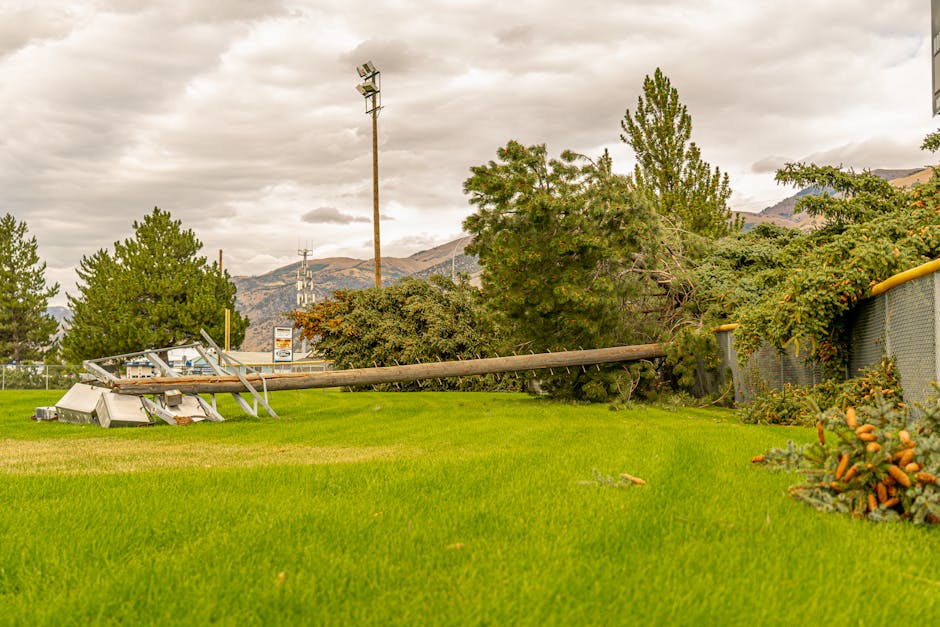
Storm damage repair is the process of restoring your property after severe weather. The stakes are high, as your home is likely your biggest investment. Choosing the wrong contractor can lead to shoddy work, fraud, or contractors who vanish mid-project. Meanwhile, issues like mold can appear within 24 hours of water intrusion, so time is of the essence.
Quick Answer: How to Find Storm Damage Repair Services
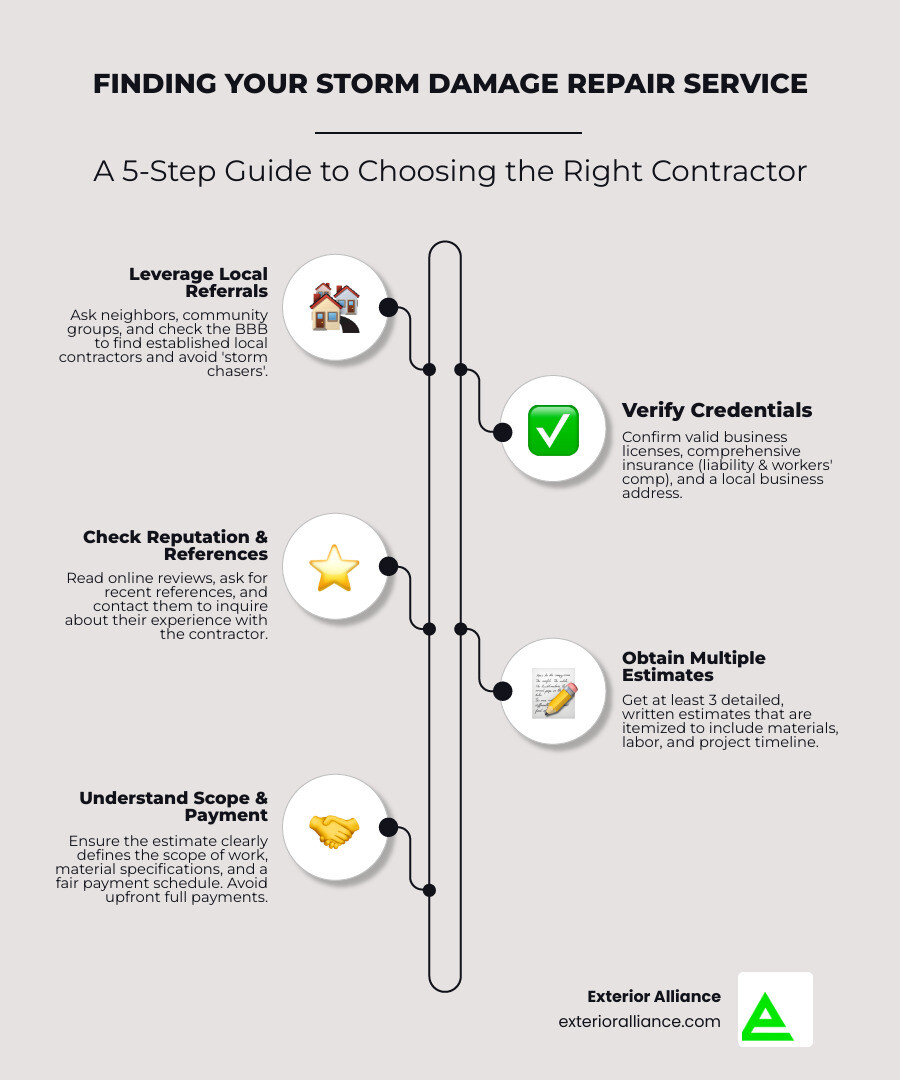
- Get local referrals from neighbors, community groups, or the Better Business Bureau to find established contractors.
- Verify credentials including licenses, insurance, and recent references.
- Compare 3+ detailed written estimates with itemized costs and timelines.
The good news is that most homeowner’s insurance policies cover storm damage from wind and hail (though flood damage requires separate coverage). The challenge is finding a trustworthy local professional who will restore your property correctly and work with your insurance company. This guide walks you through finding a reputable service in your area, protecting yourself from scams, and ensuring your home is restored to its pre-loss condition.
First, Take These Critical Steps After a Storm
Before you can even think about repairs, you must secure your property and document the extent of the damage. Acting quickly can prevent further issues like water intrusion and mold, which can appear within 24 hours.
Prioritize Safety and Document All Damage
Your family’s safety comes first. Before inspecting the damage, check for safety advisories. Never approach downed power lines—assume they are live and call the authorities. If you smell gas, evacuate immediately and call for professional help from a safe distance. If you see signs of structural instability like sagging ceilings or leaning walls, do not enter the home.
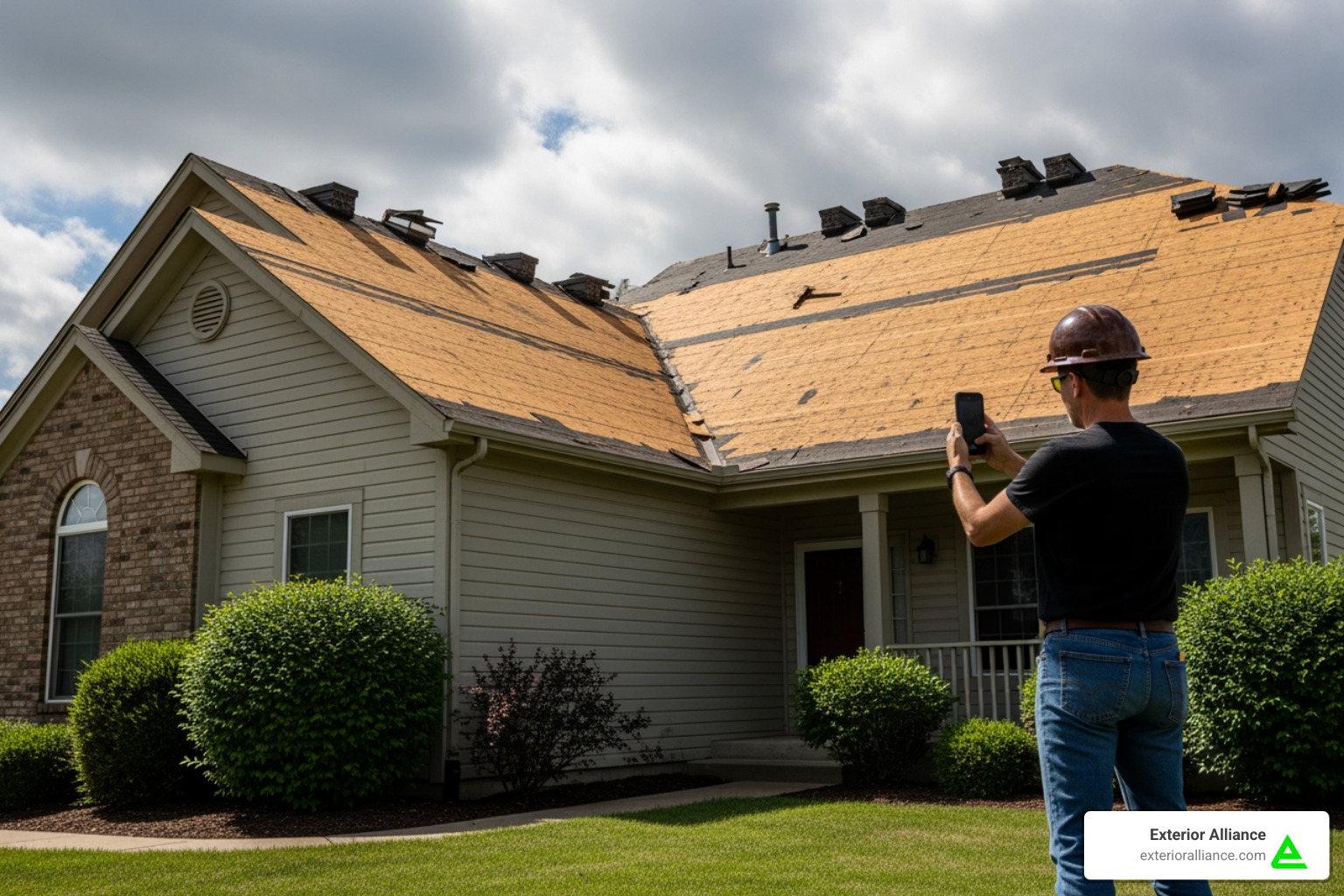
Once it’s safe, use your smartphone to take extensive photos and videos of all damage. Capture both close-up details and wide shots of the overall scene before cleaning anything. This visual evidence is crucial for your insurance claim. As you document, look for common signs of roof damage:
- Missing, loose, or damaged shingles
- Dents or cracks in metal flashing and gutters
- Excessive shingle granules in downspouts
- Water leaks or stains on interior ceilings and walls
While you’re documenting, don’t forget to check for broken windows, damaged siding, and issues with outdoor structures. The more thorough you are now, the smoother your storm damage repair process will be later.
Understand Your Insurance and Make Temporary Repairs
After documenting, contact your insurance provider immediately to start your claim. Keep a record of all communications. Review your policy with your agent to understand your coverage; most standard policies cover wind and hail, but flood damage typically requires a separate policy.
Your policy likely requires you to take reasonable steps to prevent further damage (mitigation). This includes tarping a damaged roof or boarding up broken windows. These temporary fixes are essential, as water damage escalates quickly. If you have water intrusion, remove standing water and ventilate the area. Keep all receipts for materials purchased for temporary repairs, as your insurance company may reimburse these costs. For specific guidance on roof damage, see our information on hail damage roofing. If you’re dealing with significant mold growth, professional help is necessary to ensure it’s remediated safely and effectively.
3 Practical Ways to Find a Reputable Storm Damage Repair Service
With the immediate crisis managed, the next crucial step is finding a qualified professional. A reputable contractor is your partner in restoring your home and navigating the complexities of the repair.
Method 1: Leverage Local Referrals and Trusted Resources
Start your search within your community to avoid “storm chasers”—out-of-town contractors who perform subpar work and then disappear. A local, established company has a reputation to uphold.
Ask neighbors for recommendations and check local community groups. These are honest, accounts. Also, consult trusted resources like the Better Business Bureau. An A+ rating, like ours, reflects a long-term commitment to quality and customer satisfaction. FEMA also offers helpful guidance on repairing, retrofitting, and rebuilding after severe storms, which can help you know what to expect from a professional. A local contractor like Exterior Alliance is accountable to the Central Ohio community we serve.
Method 2: How to Vet Contractors for Storm Damage Repair
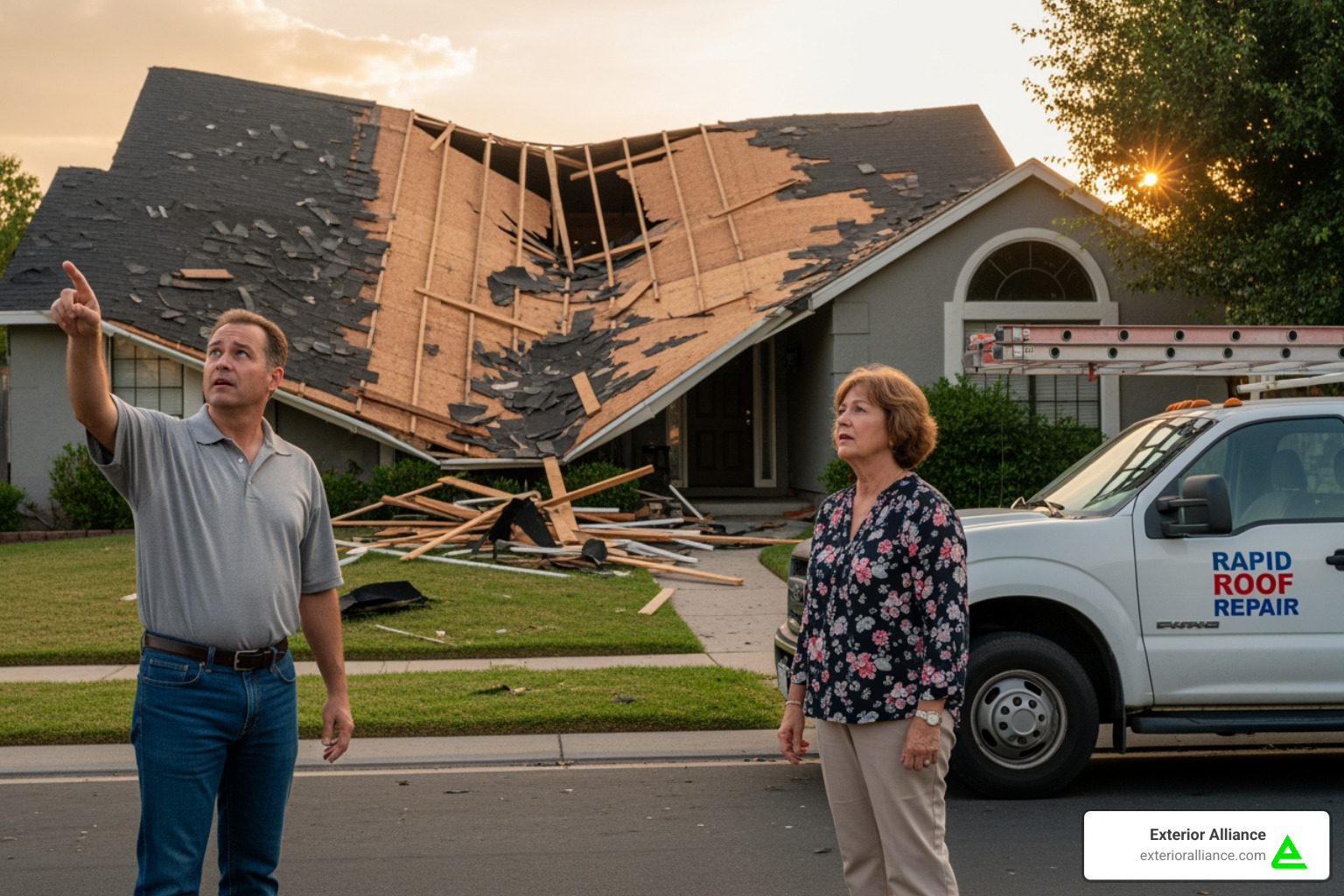
Once you have a shortlist, it’s time to vet them thoroughly. A legitimate contractor will welcome your questions.
- License and Insurance: Verify they have a valid business license and ask for proof of both liability insurance and workers’ compensation. This protects you from liability for accidents or property damage.
- Local Presence: Confirm they have a physical local business address, not just a P.O. Box. This signals stability.
- Reviews and References: Check online reviews on Google, Yelp, and the BBB. Ask for references from recent, similar projects and call them.
- Specialized Experience: Ensure they have experience with your specific type of damage, such as wind damage roofing.
Watch for red flags like high-pressure sales tactics, demands for full payment upfront, cash-only deals, or a refusal to provide a written contract.
Method 3: Compare Detailed Estimates and Understand the Scope
Never accept a verbal agreement. Always get at least three detailed, written estimates to compare pricing and scope fairly. A professional storm damage repair estimate should include:
- Material Specifications: The brand and quality of all materials.
- Labor Costs: A clear breakdown of how labor is charged.
- Scope of Work: A detailed description of all tasks, from debris removal to final cleanup.
- Project Timeline: A realistic start and end date.
- Payment Schedule: A breakdown of payments, with the final payment due only after you are satisfied. Never pay in full upfront.
- Warranties: Guarantees on both workmanship and materials. A strong warranty shows a contractor’s confidence.
Be wary of any bid that is significantly lower than the others. It often indicates inferior materials, hidden costs, or cut corners. Transparency is the foundation of a successful restoration project.
Finalizing the Job and Preparing for the Future
Choosing your contractor is a major milestone, but the process isn’t over. Understanding the final steps and how to protect your home moving forward will ensure a successful restoration and better security against the next storm.
The Process of Professional Storm Damage Repair and Prevention
Once you’ve selected a contractor, the restoration work can begin. The process typically includes debris removal, structural repairs, and installation of new materials like roofing or siding. Your contractor should communicate with you throughout the project and help coordinate with your insurance company.
A critical part of professional repair is adhering to local building codes and securing necessary permits. This ensures all work meets safety standards. A reputable contractor handles this process for you. After the work is done, conduct a final walkthrough with your contractor. Inspect everything carefully and only release the final payment when you are completely satisfied.
To make your home more resilient for the future, consider these steps:
- Impact-Resistant Materials: When replacing your roof or siding, choose materials rated for impact resistance to better withstand hail and wind.
- Reinforce Openings: Strengthen windows and doors with storm shutters or impact-resistant glass.
- Gutter Maintenance: Keep gutters and downspouts clean to ensure water is diverted away from your foundation.
- Landscaping: Trim trees and remove dead branches that could fall on your home during a storm.
At Exterior Alliance, we specialize in storm damage restoration. Our goal is not just to fix the current damage but to help you strengthen your home against future storms, backed by our comprehensive warranties.
When severe weather strikes, the path to recovery can seem daunting. But by prioritizing safety, documenting thoroughly, and carefully selecting a reputable local storm damage repair service, you can steer the process with confidence. We are your local residential and commercial roofing company in Dublin, Ohio, specializing in insurance storm restoration, and we are here to help rebuild your home, stronger than before.
