
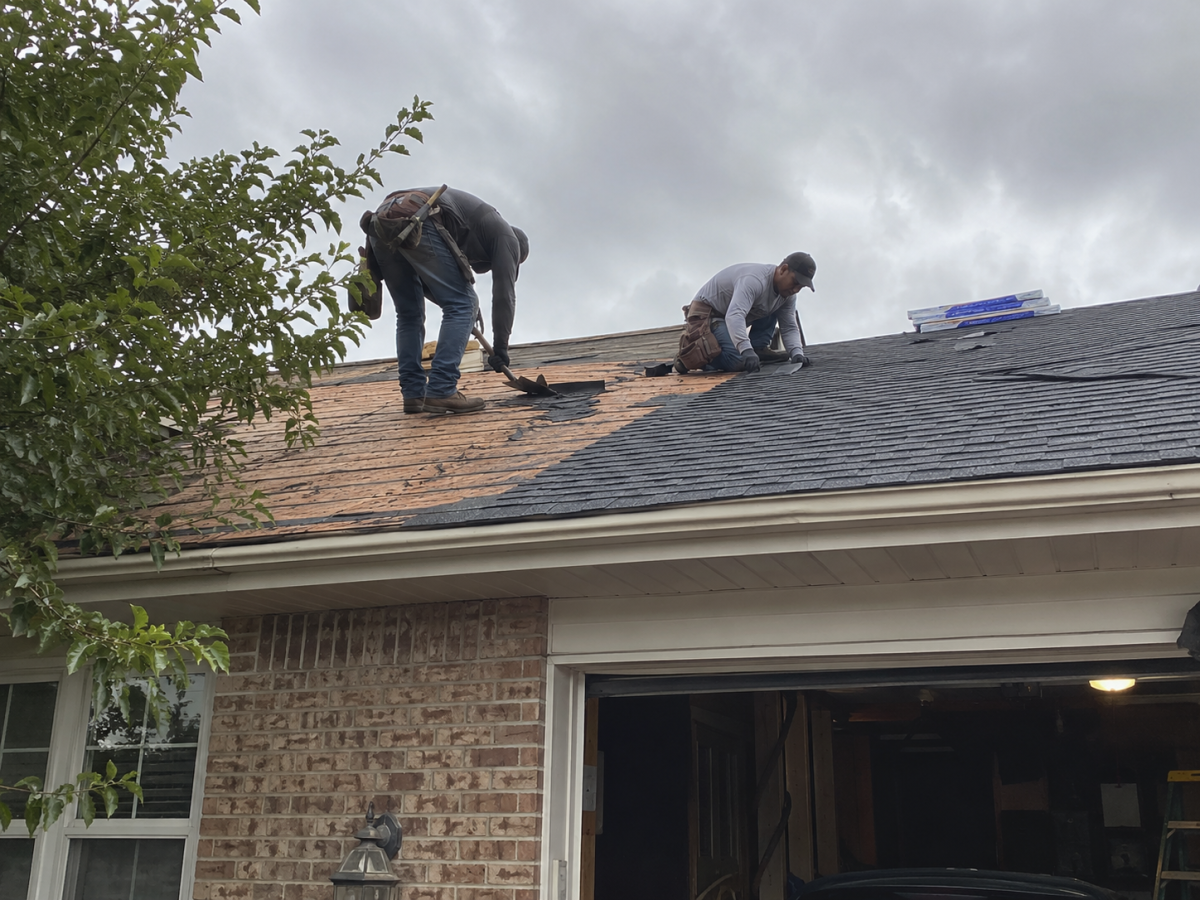
You’ve confirmed your roof has hail damage — now the real questions start. Can it be repaired, or does the whole thing need replacing? How much will insurance actually pay? How do you find a contractor who won’t overcharge or cut corners? And what materials hold up best against the next storm?
This guide covers the entire post-damage process for Columbus-area homeowners: the repair vs. replacement decision, what insurance actually covers (and what it doesn’t), how to file a claim that gets approved, and how to choose a roofing contractor who handles hail damage professionally. If you haven’t identified your damage yet, start with our hail damage identification guide first.
Repair vs. Replace: How to Decide
Not every hail-damaged roof needs full replacement. The decision depends on three factors: how much of the roof is affected, the age of the existing roof, and whether the damage is functional or cosmetic.
| Scenario | Recommendation | Why |
|---|---|---|
| Under 10% of roof affected, isolated area | Targeted repair | Replace damaged shingles, reseal flashing — cost-effective and sufficient |
| 10-30% of roof affected, multiple slopes | Partial or full replacement depending on age | Patching widespread damage creates mismatched shingles and uneven wear |
| Over 30% affected or 8+ impacts per test square | Full replacement | Insurance adjusters typically approve full replacement at this threshold |
| Any extent + roof over 15 years old | Full replacement | Aging shingles are already near end of life — repair is a temporary fix |
Insurance adjusters use test squares — 10×10-foot sections — to evaluate damage density. When a test square shows 8 to 10 or more impacts per 100 square feet, most carriers approve full replacement. Your contractor should document damage density using the same methodology adjusters use.
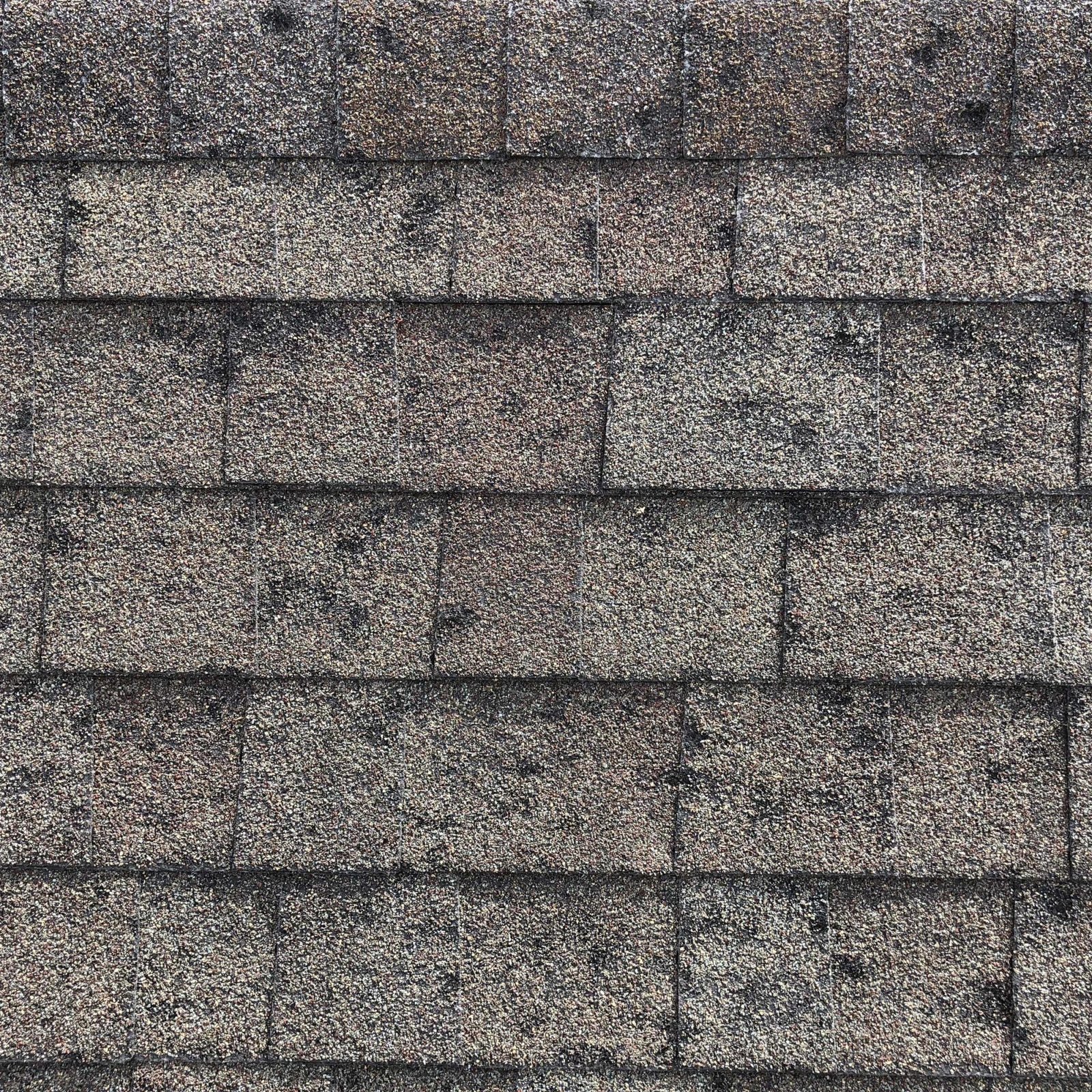
Hail Damage Roof Replacement Cost in Columbus, Ohio
Roof replacement cost in Columbus varies based on roof size, material, complexity, and accessibility. Here are realistic installed ranges for the Central Ohio market:
| Roof Size | Asphalt Shingles (Standard) | Asphalt Shingles (Impact-Resistant) | Metal Roofing |
|---|---|---|---|
| 1,500 sq ft | $8,000 – $12,000 | $10,000 – $15,000 | $15,000 – $25,000 |
| 2,000 sq ft | $10,000 – $16,000 | $13,000 – $20,000 | $20,000 – $32,000 |
| 2,500 sq ft | $12,500 – $20,000 | $16,000 – $25,000 | $25,000 – $40,000 |
| 3,000 sq ft | $15,000 – $24,000 | $19,000 – $30,000 | $30,000 – $48,000 |
Factors that move the price: roof pitch (steeper = more labor), number of layers to tear off, chimney and skylight flashing complexity, accessibility, and whether code upgrades are required. If your replacement is insurance-funded, the payout is based on the scope of work — not a flat number.
Financing is available for out-of-pocket costs, deductibles, or upgrades beyond what insurance covers. The same financing options we offer for standard roof replacement apply to hail damage projects.
Can Hail Damage a Metal Roof?
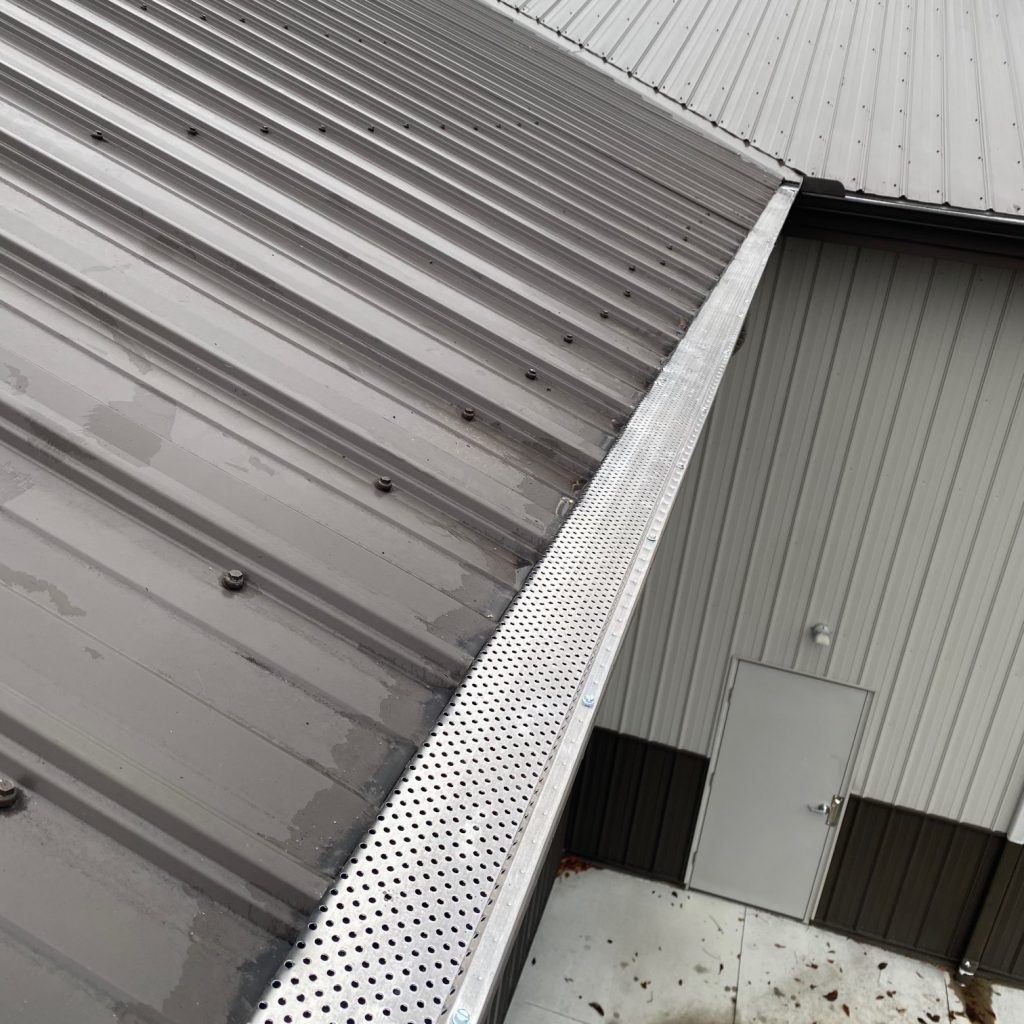
Yes — but the damage profile is fundamentally different from asphalt. Metal roofs are significantly more hail-resistant, and here’s what Columbus homeowners should know if they’re considering an upgrade after a hail claim:
Denting vs. Puncturing
Denting is the most common result of hail on metal roofs, and it’s primarily cosmetic. Dents don’t compromise the roof’s waterproofing or structural integrity — similar to a door ding on a car. Puncturing is rare and requires extremely large hailstones (typically 2+ inches) hitting thin-gauge metal at steep angles.
Metal Thickness Matters
Metal roofing is measured in gauge — lower gauge = thicker metal. A 24-gauge metal roof is substantially more dent-resistant than a 29-gauge panel. For hail-prone areas like Central Ohio, 24-gauge or thicker is the standard recommendation.
Impact Resistance Ratings
Metal roofing that achieves a Class 4 rating under UL 2218 testing has proven it can withstand 2-inch steel ball impacts without cracking, puncturing, or failing — even after two hits on the same spot. This is the highest impact resistance rating available. Many insurance companies offer premium discounts of 10-25% for Class 4 rated roofing.
Insurance Considerations
Some insurance policies include a cosmetic damage exclusion for metal roofs — meaning dents that don’t affect function aren’t covered. Before choosing a metal roof, check whether your policy offers this exclusion and whether the premium savings are worth the tradeoff. Replacement cost coverage (RCV) is generally better than actual cash value (ACV) for metal roofs, given their higher upfront cost.
Insurance Claims for Hail Damage: What You Need to Know
Understanding how your insurance policy handles hail damage is the difference between a $0 out-of-pocket replacement and a $15,000 surprise. Here are the key concepts:
ACV vs. RCV Coverage
| Coverage Type | What It Pays | Example (10-year-old roof, $25,000 replacement) |
|---|---|---|
| Replacement Cost Value (RCV) | Full cost to replace at current prices | Pays up to $25,000 (minus deductible) after proof of completed work |
| Actual Cash Value (ACV) | Depreciated value based on roof age | Might pay $12,000–$15,000 (depreciated value minus deductible) |
RCV policies typically issue two payments: an initial check for the depreciated value, then a second “recoverable depreciation” payment after you complete the repair and submit proof. Don’t skip the second payment — it can be thousands of dollars.
Deductibles
Standard deductibles range from $500 to $2,500. However, many policies in hail-prone regions include a separate wind/hail deductible that may be a percentage of your dwelling coverage (typically 1-5%). On a $300,000 policy, a 2% wind/hail deductible means $6,000 out of pocket before insurance pays anything. Know your deductible before filing.
What’s Covered vs. What’s Not
- Covered: Functional damage — cracked shingles, granule loss affecting protection, damaged flashing, compromised seals, water infiltration
- Usually covered: Full replacement when damage density meets insurer thresholds
- Sometimes excluded: Cosmetic-only damage (especially on metal roofs)
- Not covered: Damage from lack of maintenance, pre-existing wear and tear, damage discovered long after the storm with no documentation
Average Insurance Payout for Hail Damage Roof
The average insurance payout for hail damage roof replacement is approximately $12,000, based on industry data. However, actual payouts vary enormously based on:
- Roof size and material: Larger roofs and premium materials = higher payouts
- Coverage type: RCV policies pay significantly more than ACV
- Deductible amount: Higher deductibles reduce the net payout
- Scope of damage: Full replacement vs. partial repair
- Regional costs: Columbus labor and material rates factor into the settlement
A realistic range for Central Ohio full roof replacements funded by insurance is $8,000 to $25,000+ depending on these variables. The key to maximizing your payout is thorough documentation, professional damage assessment, and understanding your policy terms.
How to File a Hail Damage Insurance Claim: Step by Step
- Document the damage immediately. Take time-stamped photos of your roof, gutters, siding, and any other affected areas. Wide shots and close-ups. Photograph collateral damage on vehicles, AC units, and outdoor structures.
- Record storm details. Date, time, estimated hail size, wind conditions. Save any weather alerts or news reports about the storm.
- Get a professional inspection. A contractor’s detailed damage report strengthens your claim significantly. Have them document damage using the same test-square methodology adjusters use.
- Contact your insurance company. Have your policy number ready. Provide a clear summary of the damage and the storm event. Request an adjuster visit.
- Be present for the adjuster’s visit. Walk the property with the adjuster. Have your contractor present if possible — they can point out damage the adjuster might miss and discuss repair scope in technical terms.
- Review the settlement carefully. Compare the adjuster’s scope of work against your contractor’s assessment. If there’s a significant gap, you have the right to request a re-inspection or file a supplement.
- Complete repairs and submit for recoverable depreciation. If you have an RCV policy, submit proof of completed work to receive the second payment.
Pro tip: Proper documentation cuts claim processing time by roughly 60% compared to self-filed cases with minimal evidence. The investment in a professional inspection before filing pays for itself.
How to Choose a Hail Damage Roofing Contractor
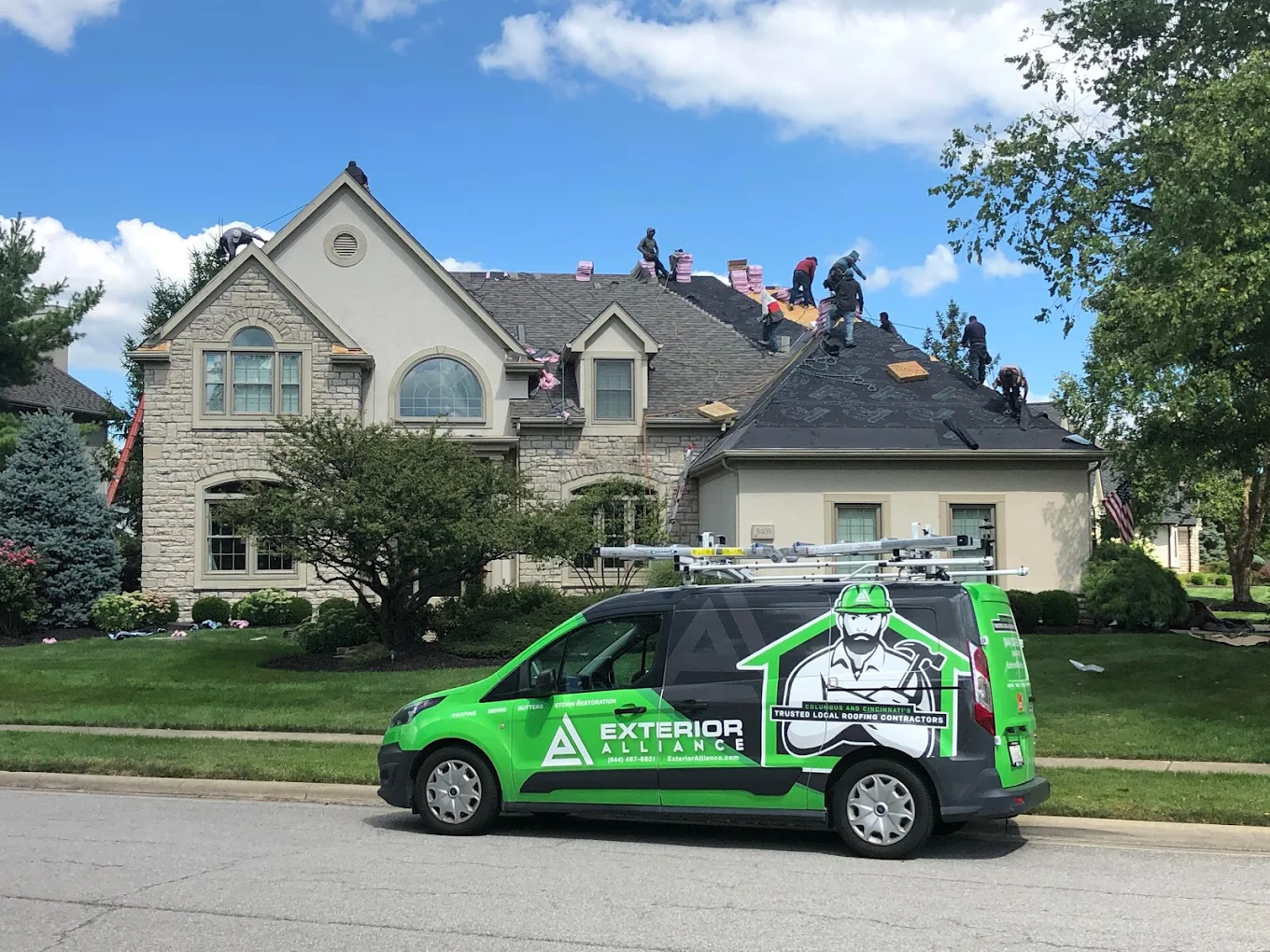
Hail storms bring out storm chasers — out-of-state contractors who follow weather events, knock on doors, and disappear after collecting payment. Protecting yourself starts with knowing what separates a legitimate contractor from a storm chaser.
What to Look For
- Local presence: A contractor with a permanent office in Central Ohio has a reputation to protect and will be here for warranty issues. Storm chasers won’t.
- Ohio contractor registration: Verify registration with the Ohio Construction Industry Licensing Board. This isn’t optional.
- Insurance and bonding: General liability insurance and workers’ compensation coverage. Ask for certificates — don’t take their word for it.
- BBB accreditation and reviews: Check the Better Business Bureau, Google Reviews, and ask for references from recent hail damage projects in your area.
- Insurance claim experience: A good contractor understands the claims process, works with adjusters, and knows how to document damage in the format insurers expect.
- Written estimates: Detailed, line-item estimates that specify materials, labor, and scope. Avoid vague “lump sum” quotes.
Red Flags
- Pressuring you to sign a contract before your insurance claim is approved
- Offering to “waive your deductible” — this is insurance fraud in most states
- No local office or phone number
- Requiring large upfront deposits before work begins
- Door-to-door solicitation immediately after a storm with high-pressure tactics
Get estimates from at least two or three contractors before making a decision. The lowest bid isn’t always the best value — compare scope of work, materials specified, warranties offered, and the contractor’s track record with hail damage projects.
Hail-Resistant Roofing: Prevention for the Next Storm
If you’re replacing your roof after hail damage, this is the best opportunity to upgrade to materials that perform better in the next storm.
Impact-Resistant Shingles (Class 4)
Shingles that meet UL 2218 Class 4 standards are specifically engineered to withstand hail impact. They use modified asphalt formulations and reinforced mat designs that resist cracking and granule loss. Many insurance companies offer premium discounts for Class 4 shingles — in some cases enough to offset the material upgrade cost within a few years.
Metal Roofing
Standing seam and exposed fastener metal roofs offer excellent hail resistance, especially at 24-gauge or thicker. While upfront cost is higher, the combination of longevity (40-70 years), minimal maintenance, and insurance discounts makes metal a strong long-term investment for hail-prone areas. Learn more about metal roof hail performance.
Rubberized Underlayment
Regardless of surface material, upgrading to a rubberized (peel-and-stick) underlayment creates a secondary waterproof barrier. If hail compromises shingles in a future storm, the underlayment prevents water from reaching the roof deck — buying time before repairs.
Ongoing Maintenance
- Clear gutters seasonally to prevent ice dams and ensure drainage
- Schedule annual professional inspections — catching small issues prevents big ones
- Trim overhanging branches that can scrape surfaces and create entry points
- Replace damaged shingles promptly rather than waiting for the next storm
Frequently Asked Questions
How much hail damage does it take to get a new roof from insurance?
Most insurers use the test-square method — if a 10×10-foot section of roof shows 8 to 10 or more hail impacts, full replacement is typically approved. However, some carriers have different thresholds, and the age and condition of the roof also factor into the decision. A professional damage assessment that documents impact density per test square gives you the strongest case.
Should I repair or replace my roof after hail damage?
If damage is limited to a small area (under 10% of the roof) and your roof is relatively new, repair is usually sufficient. If damage is widespread, your roof is over 15 years old, or multiple test squares exceed the impact threshold, replacement is the better investment. Partial repairs on extensively damaged roofs often lead to recurring issues and additional costs within a few years.
How long does a hail damage roof replacement take?
Most residential roof replacements in Columbus take 1 to 3 days depending on roof size, complexity, and weather. The longer timeline is usually the insurance process — from filing the claim to adjuster visit to approval, expect 2 to 6 weeks. Having your documentation and contractor lined up before filing speeds this up significantly.
Can my insurance company deny my hail damage claim?
Yes — common reasons for denial include: the damage doesn’t meet the threshold for covered repair, the damage is classified as cosmetic (if your policy excludes cosmetic damage), the claim was filed past the policy deadline, or the damage is attributed to wear and tear rather than a specific storm event. If your claim is denied and you believe it shouldn’t be, request a detailed explanation, get an independent assessment, and consider a formal appeal.
Get Your Roof Assessed — Free
Hail damage roof replacement doesn’t have to be stressful or confusing. The process works best when you have accurate documentation, understand your insurance coverage, and work with a contractor who knows the claims process inside and out.
Exterior Alliance has handled hundreds of hail damage projects across Columbus, Dublin, Hilliard, Westerville, Upper Arlington, New Albany, and the surrounding area. We provide free inspections, detailed damage documentation, and we work directly with your insurance company to ensure the scope of work matches the actual damage. Our team is BBB-accredited with an A+ rating, fully licensed and insured, and we stand behind every project with a workmanship warranty.
Schedule your free hail damage inspection or call (614) 363-3411. We’ll assess your roof, explain your options, and help you make the right decision — whether that’s a simple repair, a full replacement, or a material upgrade that protects you from the next storm.
